Moving Abroad With Family: A Practical Planning Checklist
5 min read
Relocating a family across borders is not simply a solo move with extra plane tickets. Each person can have different immigration documents, healthcare needs, school or childcare arrangements and emotional concerns. A family relocation works better when those moving parts are planned together before anyone starts packing.
Start with the legal status of every family member
Before choosing schools or neighbourhoods, confirm who can legally accompany the main applicant, what status each dependant will receive and whether a spouse or partner will have permission to work. Rules differ by country and visa route, so use the destination government's immigration website rather than assuming that a colleague's family had the same options.
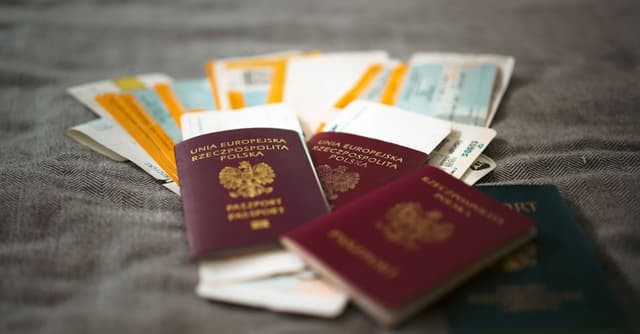
Create a simple family immigration file containing passports, application numbers, approval letters, birth and marriage certificates, custody documents where relevant, and copies of every submission. Check passport expiry dates early because renewing a passport after an application has started can add administrative work.
Build a family budget, not an individual budget
A salary that is comfortable for one person may be tight for a family. Estimate net income and then price the actual size of home you need, utilities, groceries, transport, childcare, school-related costs, insurance and healthcare. Include deposits and temporary accommodation in the first-month budget.
If one partner will initially be unable to work, calculate the move using one income. Treat a second income as an improvement rather than money required for the plan to survive.
Choose the city before choosing the house
Commute time, school access, childcare availability and transport can matter more than an attractive apartment. Map the workplace and likely shift times. A neighbourhood with excellent daytime transport may be inconvenient for a healthcare worker finishing after midnight.
Compare several areas and avoid committing to a long lease solely from photographs when possible. Short-term accommodation can provide time to inspect homes and understand the city after arrival.
Plan schooling early
Parents should investigate school eligibility, admission timelines, required records and whether the child's immigration status affects fees. Collect recent report cards, transcripts, vaccination records and any special-education documentation before leaving. Ask the destination school authority what must be translated or certified.
Older children may be affected by differences in curriculum, examination systems or school-year dates. A move that looks simple administratively can be disruptive academically, so discuss timing with the current and prospective schools.
Childcare can determine whether both parents can work
Do not assume childcare will be immediately available. Research waiting lists, operating hours, age limits and costs. If both parents will work shifts, standard nursery hours may not solve the problem. Consider how evenings, weekends and school holidays will be covered.
Prepare medical information
Carry essential medical records, prescriptions and vaccination histories for each family member. If anyone takes regular medication, ask a clinician how much can legally be carried and how continuity of care should be handled. Keep medicines in original packaging and check destination rules before travelling.
Understand when public healthcare coverage begins and whether private or employer insurance is needed during any waiting period. For children, identify how routine care and emergencies are accessed near the new home.
Decide what to ship and what to replace
International shipping can be expensive and slow. Compare shipping cost with the replacement value of furniture and appliances. Electrical standards, home sizes and furnished-rental norms can make some items impractical. Prioritise sentimental or specialised belongings that are genuinely difficult to replace.
Each traveller should keep critical documents, medication, a change of clothes and basic children's supplies in cabin baggage. Do not place the only copy of an immigration document in checked luggage.
Make a document folder for each person
- Passport and immigration approvals
- Birth or marriage certificates where relevant
- School and academic records
- Vaccination and medical records
- Prescription information
- Professional or employment documents for adults
- Insurance information
- Emergency contacts
Keep encrypted digital backups separate from the originals. Share access with the other responsible adult where appropriate.
Talk openly with children about the move
Children may be excited and worried at the same time. Explain what will change in age-appropriate terms: the journey, the new home, school, weather and when they can contact friends or relatives. Let them choose a few belongings for their room so the new environment contains something familiar.
A difficult first week does not mean the move was a mistake. New accents, routines and social expectations take time. Maintain familiar family routines while gradually building new ones.
Plan for the partner who is not the main applicant
International relocation can unintentionally centre the person with the job offer. The accompanying partner may leave behind employment, professional identity and social support. Research their work rights, licensing requirements and realistic employment options before moving.
Agree on finances during any period of unemployment and make sure both adults can access household funds. This reduces dependency and makes the transition fairer.
Review the employment relocation package
If an employer offers relocation support, ask exactly who is covered. A flight benefit may apply only to the employee. Temporary accommodation may not permit children. Health insurance may begin on the employee's start date but require separate enrolment for dependants.
Get reimbursement limits and repayment clauses in writing. If you must pay expenses first and claim later, you still need enough cash to fund them.
Keep an emergency reserve
Families have more variables than solo travellers. A delayed start date, unexpected deposit, childcare gap or medical expense can quickly consume savings. Keep a reserve separate from the money allocated to flights and deposits.
Also maintain access to funds in your home country until the new banking setup is working reliably. Avoid closing every account before the move.
Create a first-week plan
Know where you will sleep on arrival, how you will get from the airport, where to buy food and how to obtain mobile connectivity. Identify the workplace route and the children's immediate needs. Do not schedule every government registration and household task for the first day.
Create a first-month plan
During the first month, prioritise legally required registrations, banking, healthcare access, school or childcare enrolment, a sustainable commute and longer-term housing. Then add social activities and exploration. A family settles better when daily life becomes predictable.
What to do before booking flights
- Confirm immigration approval for every traveller.
- Check professional registration and employment conditions for the working adult.
- Confirm the employer's start date and relocation support.
- Arrange safe initial accommodation.
- Collect school and medical records.
- Price realistic family living costs.
- Prepare emergency funds.
- Check baggage, medicine and entry rules.
Final checklist
A successful family move is less about completing one giant checklist than coordinating several smaller plans: immigration, work, housing, school, health, money and emotional adjustment. Verify official requirements, keep documents organised and leave room for delays. When every family member's needs are included in the plan, the first months abroad become much easier to manage.